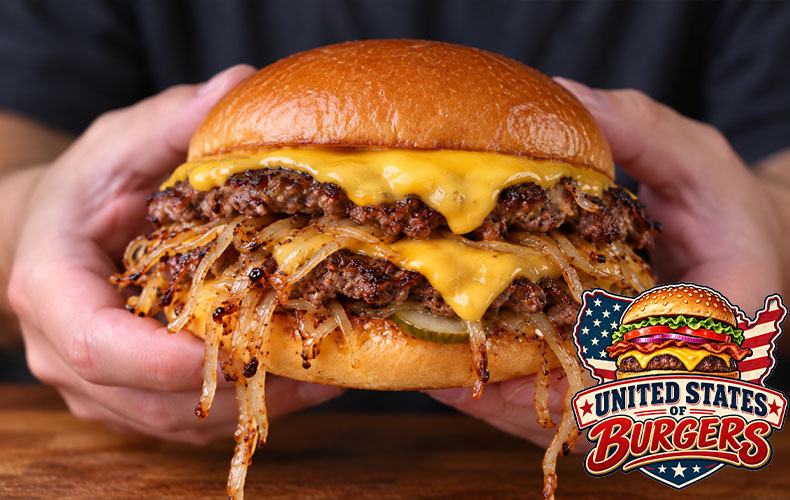

The Oklahoma Onion Burger
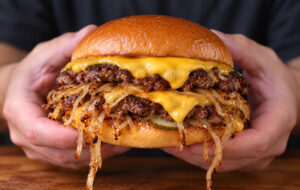 Some places in America take hamburgers more seriously than others.
El Reno, Oklahoma takes them very seriously.
This little town west of Oklahoma City sits right on historic Route 66 and is famous for one thing in particular: the fried onion burger. Also known as the Oklahoma Smash Burger. Make no mistake about it, Smash Burgers are not a trend. There are restaurants in this small town that have been grilling burgers the exact same way for over 100 years.
And like a lot of great American regional food, it started because somebody needed to make a little food go a little farther.
During the lean years, beef was expensive and onions were cheap. So cooks began piling shredded onion onto small portions of beef and smashing the whole thing together on a hot griddle.
It made the burger look bigger.
It also happened to make the burger taste better.
Problem solved.
The technique is beautifully simple. You start with a ball of hamburger meat about the size of a scoop of ice cream. And actually, an ice cream scoop is exactly what the diners and drive in’s often use to make a perfectly round ball of ground beef.
Get your griddle or cast-iron skillet ripping hot. Then slice an onion as thin as you possibly can.
Not “pretty thin.”
Paper thin.
Put the beef on the hot griddle. Season it simply with salt and pepper. Then pile on the onions. And I mean a lot of onions. More onions than seems reasonable.
That’s the point.
And then the part that gives this burger its nickname, with a heavy spatula, you smash the burger and the onions together on the skillet. That contact gives you the dark, crispy crust that makes a smash burger a smash burger. A smash burger that’s less than half a centimeter tall is the standard.
But the onions are what make this one Oklahoma.
They cook directly into the meat. Some caramelize against the griddle. Some steam. Some get dark and crispy around the edges. Beef fat runs through the whole mess.
Eventually, the onions and the burger stop being two separate things.
That’s what you’re after.
After about 90 seconds, once the first side has developed a good crust, flip the whole thing so the onions hit the griddle.
Add American cheese if you want it.
I do.
Then comes one of my favorite parts of the old diner technique.
Put the top bun directly onto the burger, then set the bottom bun upside down on top of that. While the burger finishes cooking, the heat, beef fat, and onion steam soften the buns and work their way into the bread.
That little detail matters. Good hamburgers are usually built from a bunch of little details that matter.
Places like Sid’s Diner, Johnnie’s Grill, and Robert’s Grill in El Reno still carry this tradition today, cooking thin beef and onions together on seasoned flat-top grills just as generations of Oklahoma burger cooks have done before them.
When it comes off the griddle, you don’t need much.
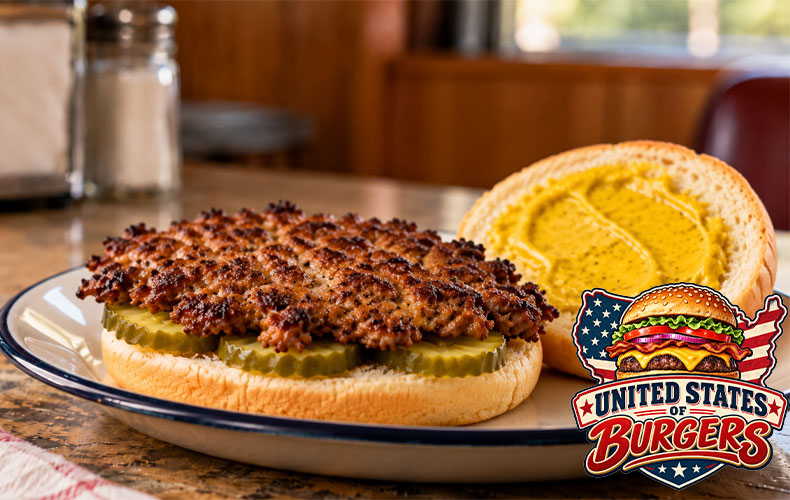
Mustard. Pickles.
That’s about it.
If you really want to improve the situation, there is one reliable method.
Make two.
Stack them.
Now you’ve got a double Oklahoma Onion Burger.
These are not elegant hamburgers.
The onions fall out. Cheese runs down the side. Grease gets on your hands. Something will probably land on your shirt.
That’s fine.
A hamburger does not need to be pretty.
It needs to be good.
And the Oklahoma Onion Burger is very, very good.
— William S.
MAKE IT WITH ★
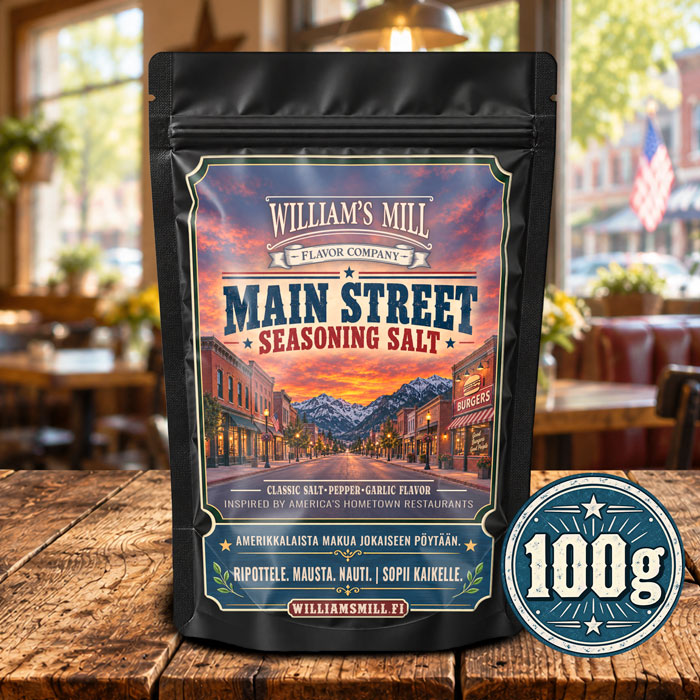
Classic American salt, pepper & garlic seasoning for everyday cooking.
5,99 €
KEEP COOKING ★
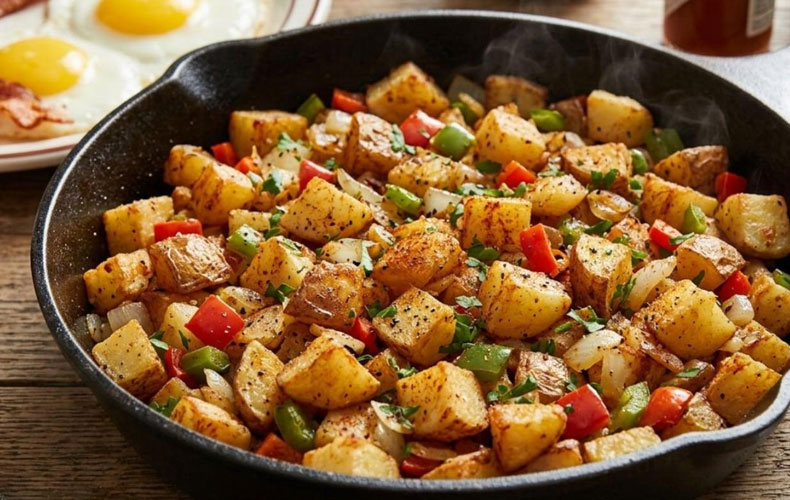
Sunday Morning Skillet Potatoes
Crispy breakfast potatoes with golden edges, tender centers, sweet onions, and bell peppers, seasoned with William’s Mill American Heritage All-Purpose Seasoning Salt. Just like the skillet potatoes you’d expect alongside eggs, bacon, and hot coffee at a small-town American diner.
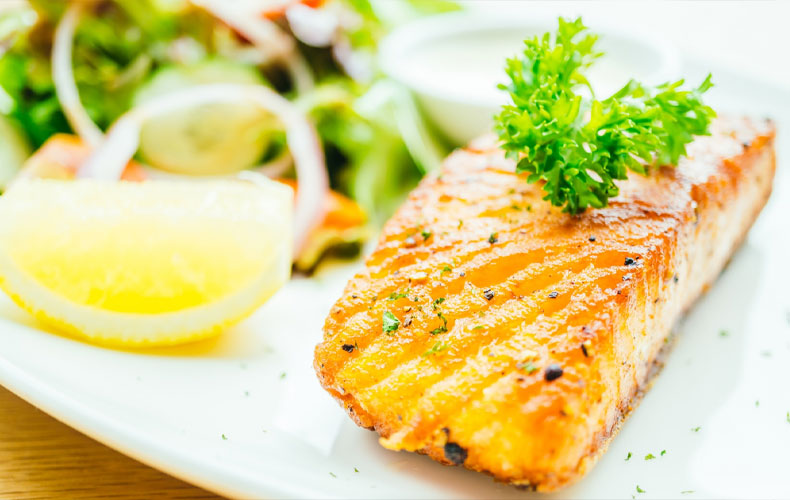
Lemon Butter Salmon, Wild Catch Style
Lemon butter salmon is one of those recipes that proves good seafood does not need much help. A hot pan, a little butter, fresh lemon, and William’s Mill Wild Catch seasoning are enough to make tender, flavorful salmon with a golden crust and rich garlic butter sauce.