Why I Know What American Food Actually Tastes Like
You can learn a lot about a country by eating your way across it.
One thing people may not know about me is that I hold a commercial pilot’s license.
Getting a license like that takes years of flying cross-country and logging hours. You spend a lot of time in the air, and eventually you realize something important: if you need to build flight hours anyway, you might as well go somewhere interesting.
So I did.
Without really planning it, I ended up eating my way across the United States.
I flew to Chicago for pizza. Kansas for barbecue. I’ve had cheesesteaks in Pennsylvania, gumbo and jambalaya in Louisiana, fried chicken in Kentucky, buffalo wings in Buffalo, New York, and pizza at two in the morning in Manhattan. I’ve eaten barbecue in Texas, Tennessee, Kansas City, and North Carolina, and each one was completely different from the next. Different wood. Different cuts of meat. Different seasoning philosophies. Different ideas about what barbecue is even supposed to be.
That’s the thing many people outside the U.S. don’t realize. American food changes dramatically depending on where you are.
Even something as simple as taco seasoning shifts across regions. Tex-Mex in Texas doesn’t taste like Mexican-American food in Southern California. New Mexico has its own flavor traditions entirely, especially once chiles and lime enter the conversation. These differences may seem small at first, but once you’ve spent enough time eating across the country, you can taste them immediately.
I didn’t just visit these places. I lived all over the United States for decades. I spent about twenty-five years in Texas, but I’ve also lived in the Ozarks, the plains of Kansas, near the beaches of Florida, and deep in southern Oregon just a short walk from the Rogue River. My neighbor there was a professional salmon fisherman. He would pull salmon from the river that were nearly the size of a grown man’s leg. Our Wild Catch seasoning salt (coming soon) is rooted in the seasoning blend he used on those fish.
That’s what I bring to Finland.
Not an interpretation of what American food might taste like. Not a version built from internet research or restaurant trends. I’m recreating flavors from lived experience — recipes from family, techniques from friends, inspiration from diners, smokehouses, roadside cafés, fishing towns, and backyard grills spread across an entire continent.
Even street food changes from place to place. In Texas, it’s common to see carts selling roasted corn covered in lime, cheese, and chili seasoning influenced heavily by Mexican street food culture. The one and only time I confidently told the vendor, “Yeah, make it spicy,” I immediately understood I had made a tactical error. My mouth was on fire before I reached the second bite.
American food culture is regional in a way many people don’t fully understand until they experience it firsthand. The seasoning matters because the places matter.
That’s why I care so much about getting these blends right.
They’re tied to real places. Real kitchens. Real people.
And after forty-five years of eating my way across America, I can still taste the difference.
American food is rich because America has been a melting pot for a very long time. Every wave of immigration brought recipes, techniques, spices, and traditions with it. Over time, those foods changed. Italian became Italian-American. Mexican became Tex-Mex. Regional barbecue evolved differently depending on geography, climate, and culture. The result wasn’t one unified cuisine. It was hundreds of local food identities layered together across an enormous country.
And now, in a strange way, here I am doing the same thing in reverse.
I’m an immigrant from America, bringing flavors from the place I was born into a country I’ve fallen in love with. Not to replace anything here. Not to “improve” Finnish food. Just to share something specific from where I come from with the people around me now.
That’s one of the beautiful things about food. It travels. It adapts. It creates bridges between places that might otherwise never fully understand each other.
— William S.
KEEP COOKING ★
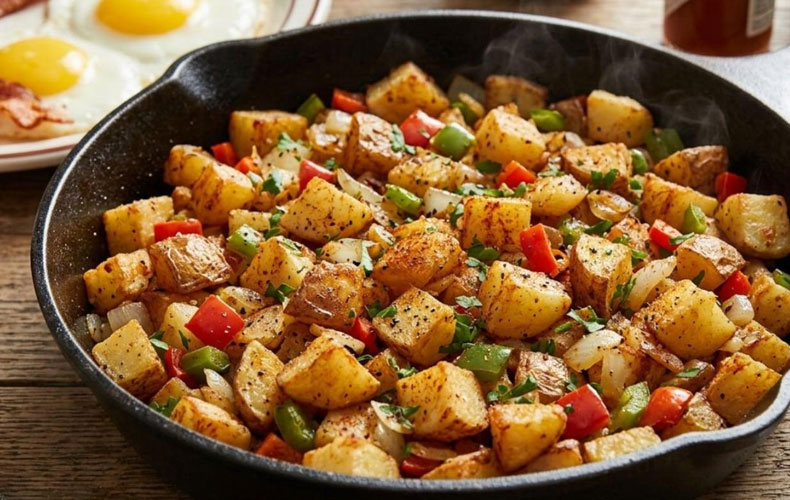
Sunday Morning Skillet Potatoes
Crispy breakfast potatoes with golden edges, tender centers, sweet onions, and bell peppers, seasoned with William’s Mill American Heritage All-Purpose Seasoning Salt. Just like the skillet potatoes you’d expect alongside eggs, bacon, and hot coffee at a small-town American diner.
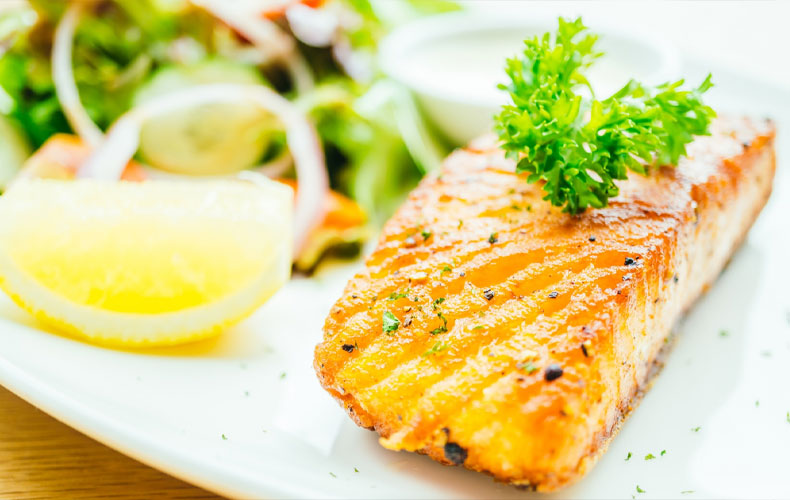
Lemon Butter Salmon, Wild Catch Style
Lemon butter salmon is one of those recipes that proves good seafood does not need much help. A hot pan, a little butter, fresh lemon, and William’s Mill Wild Catch seasoning are enough to make tender, flavorful salmon with a golden crust and rich garlic butter sauce.